
A lot of aircraft owners bring their airplane in for an annual with the same basic expectation:
“The airplane is flying fine. I have a few small squawks. Hopefully this is straightforward.”
We understand that.
Nobody gets excited about maintenance bills. Nobody wants an annual inspection to turn into a major event. And if the airplane has been starting normally, running normally, showing normal engine temperatures, and producing a normal mag check, it is easy to assume there cannot be much hiding under the cowling.
But airplanes do not always give fair warning before something important fails.
On a recent annual inspection, an owner brought us an airplane with no major complaints. There were a few minor squawks, but nothing that pointed toward a serious ignition problem. The owner reported normal magneto drops. Engine temperatures were normal. The airplane was not giving him any obvious reason to suspect a major issue.
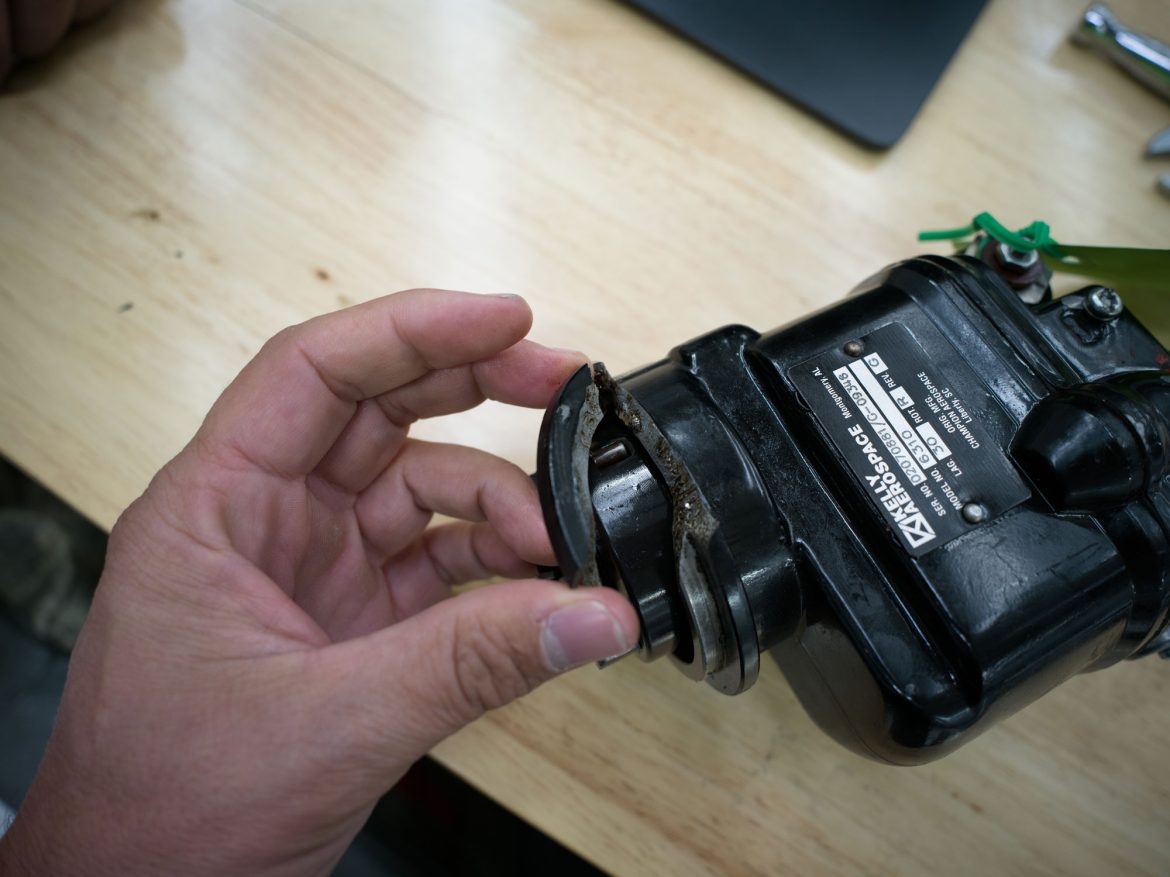
During the inspection, one of our mechanics found what looked at first like a hairline crack in one of the magnetos.
That was enough to stop and take a closer look.
Once the magneto was removed, the problem became much more obvious. What appeared to be a small crack was actually a failure of the magneto housing at the mounting area. As it came off the engine, the magneto partially came apart in our hands.
That is exactly the kind of thing a good annual inspection is supposed to catch.
Normal Mag Drop Does Not Mean Everything Is Fine
A normal run-up is useful, but it is not a full inspection.
When a pilot checks the magnetos during run-up, they are looking for an obvious operational problem. A rough mag. Excessive RPM drop. A dead side. Something that tells them the ignition system is not performing correctly at that moment.
But a run-up does not tell the whole story.
A magneto can produce a normal mag drop and still have a serious physical problem developing. The engine can run normally while a housing is cracked. Temperatures can look normal. The airplane can feel fine. The pilot may have no warning at all.
That is why annual inspections cannot be treated like paperwork exercises.
You have to actually look.
In this case, the owner had no reason to believe there was a major magneto issue. From the cockpit, the airplane was acting normal. But once the cowling was off and the inspection got serious, the crack was there.
Small visual clues matter.
The Difference Between Looking and Inspecting
There is a difference between glancing at a component and inspecting it.
A magneto is not just a black box bolted to the back of the engine. It has a case. Mounting points. Hardware. Clamps. Leads. Gaskets. Timing. Grounding. Venting. Drive components. Service history. It lives in a hot, vibrating environment and is expected to keep working every time the engine turns.
During a good annual, an experienced mechanic is not just asking, “Does it run?”
He is asking:
Does it look right?
Is it secure?
Is the case intact?
Are there cracks?
Is there oil contamination?
Are the leads in good condition?
Is the hardware correct?
Does the installation match what we expect to see?
Is there evidence that something has been moving, rubbing, leaking, heating, or working loose?
That kind of inspection takes time.
It also takes experience. A mechanic who has seen a lot of aircraft engines knows when something does not look quite right. Sometimes the problem is obvious. Sometimes it is a small crack, a stain, a rub mark, a missing clamp, a loose bracket, or a piece of safety wire that makes you slow down.
That is where maintenance experience earns its keep.
Hidden Damage Is Common on Older Aircraft
Most piston aircraft in the general aviation fleet are not new.
They have history. They have decades of heat cycles, vibration, maintenance, repairs, parts changes, long periods of sitting, ownership changes, and logbook entries that may or may not tell the whole story.
Some airplanes are maintained beautifully. Some are not. Many are somewhere in the middle.
That means an annual inspection is not just about checking whether the airplane flew in with a complaint. It is about finding the things the owner does not know about yet.
Cracked baffles. Loose exhaust hardware. Worn engine mounts. Chafed wiring. Corrosion under paint. Fuel stains. Old hoses. Bad grounds. Loose clamps. Tired control system components. Magneto issues. Alternator bracket cracks. Missing paperwork. Wrong hardware. Sloppy prior repairs.
A lot of these problems do not announce themselves from the pilot seat.
The owner may see normal temperatures. The engine may sound fine. The airplane may make book numbers. The run-up may look normal.
Then the cowling comes off and the airplane tells a different story.
Why a Part 145 Repair Station Inspection Is Different
Not every annual inspection is performed the same way.
There are excellent independent A&Ps out there, and there are poor inspections performed in every type of maintenance environment. The certificate on the wall does not magically inspect the airplane. People do.
But a properly run Part 145 repair station should bring a level of process, oversight, documentation, tooling, and inspection discipline that owners can feel.
At our shop, an annual inspection is not just one person giving the airplane a quick look and making a list. We use structured inspection processes. We have experienced maintenance personnel. We have inspectors. We have avionics capability. We have access to current technical data. We document findings. We review the airplane as a system, not just as a checklist.
That matters.
When a mechanic finds something like a cracked magneto housing, the process does not stop at, “Well, that looks bad.” The finding gets evaluated. The part gets removed as appropriate. The condition is confirmed. The owner is informed. The repair path is documented. The airplane does not move forward until the issue is handled correctly.
That is the kind of discipline aircraft owners are paying for.
A cheaper annual may get the airplane signed off. A better annual may keep the owner from discovering the real problem in the air.
“It Was Running Fine” Is Not a Maintenance Strategy
We hear this all the time:
“But it was running fine.”
That may be true.
But “running fine” is not the same thing as “healthy.”
A magneto housing can be cracked and still fire the plugs. An exhaust component can be failing and still sound normal. A control cable can be worn and still move. A hose can be old and still hold pressure today. A wire can be chafed and still work until it finally does not.
Aircraft maintenance is about catching problems before they turn into failures.
That is especially true with ignition systems. Magnetos are critical components. If one side has a problem, the engine may continue running on the other side, but that does not mean the situation is acceptable. A damaged magneto housing, loose mounting area, or failing component can become a much bigger issue if it continues to operate.
The owner of this airplane was surprised, and that is understandable. From his perspective, the airplane had given him no real signs. The mag drop was normal. The engine temps were normal. Nothing about the way the airplane was flying said, “You have a magneto housing failure starting.”
But the inspection found it.
That is the point.
Good Inspections Cost More Because They Take More
A thorough annual inspection takes time.
There is no honest way around that.
It takes time to remove panels and cowlings. It takes time to clean areas enough to inspect them. It takes time to look carefully at engine accessories, landing gear, control systems, wiring, hoses, structure, corrosion-prone areas, and prior repairs. It takes time to research questionable findings. It takes time to document properly. It takes time to communicate with the owner.
When an inspection is done right, the shop is not just selling hours. It is selling attention.
That attention is what found the magneto crack.
It would have been easy to miss. The airplane was not complaining. The owner was not expecting it. A quick look might not have caught it. But a careful inspection by experienced maintainers did.
That is why the cheapest annual is not always the least expensive annual.
There is a difference between saving money and skipping the work that finds the problem.
The Owner Deserves the Truth
A good shop should not turn every finding into a scare story.
Not every squawk is urgent. Not every worn part is an emergency. Not every seep, stain, or imperfect piece of hardware means the airplane is unsafe. Part of being a good maintenance shop is knowing the difference between what needs to be fixed now, what needs to be monitored, and what can reasonably wait.
But when something important is found, the owner deserves a straight answer.
In this case, a cracked magneto housing at the mounting area is not something to ignore. It is not something to casually watch for another year. It is not something to explain away because the engine happened to run normally during the last flight.
The right answer is to remove it, evaluate it, and repair or replace as required.
That is what we would want on our own airplanes.
The Annual Is Not Just a Legal Requirement
An annual inspection is not just a box to check so the aircraft can keep flying legally for another year.
It is one of the best chances to find what the airplane has been hiding.
That matters even more for owners who fly family, business partners, students, friends, or backcountry trips. It matters for owners flying over mountains. It matters for owners flying at night or in IMC. It matters for owners who depend on the airplane to get them home.
A good inspection gives the owner a better understanding of the airplane they actually own, not just the airplane they hope they own.
Sometimes that means the annual goes smoothly. Sometimes it means the shop finds something minor. Sometimes it means the inspection finds a serious problem before the pilot ever had a symptom.
That is what happened here.
The airplane came in with no major warning signs. The owner reported normal operation. A careful inspection found a magneto housing failure that could have become a much bigger problem if it had been missed.
That is not bad luck.
That is the annual doing its job.
Bring Us the Airplane Before It Starts Talking Back
If your airplane is coming due for annual, do not think of the inspection as just another calendar requirement. Think of it as a chance to really understand the condition of the aircraft.
Bring the logbooks. Bring the squawk list. Bring the things you have noticed, even if they seem small. Tell us what has changed, what has been intermittent, what has been repaired before, and what you are planning to do with the airplane over the next year.
Then let experienced maintainers go through it properly.
The best time to find hidden damage is in the shop, with the cowling off, tools available, and the airplane safely on the ground.
Not after the part finally fails.